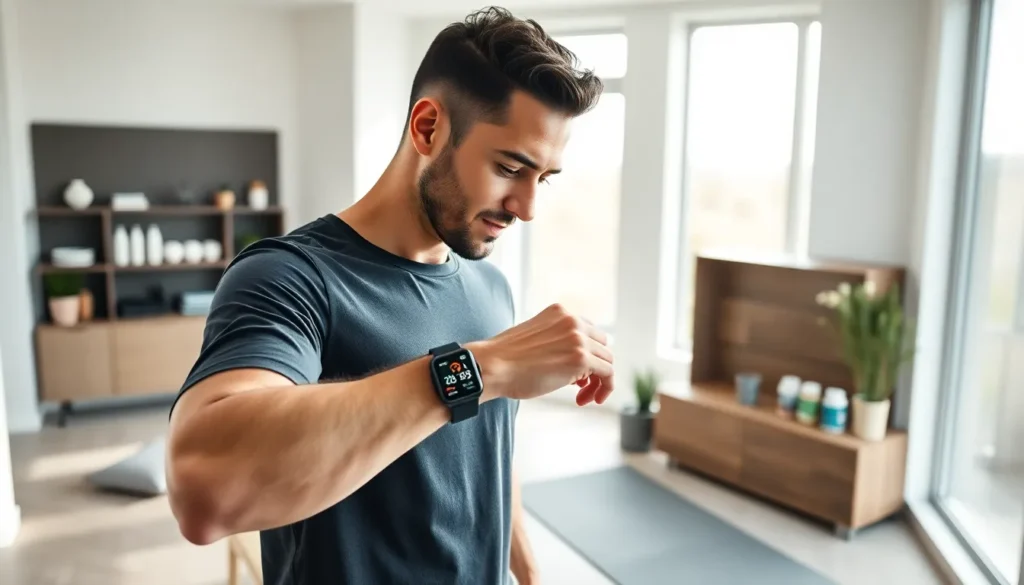

Men’s wellness trends 2026 signal a shift in how men approach their health. Gone are the days when wellness meant just hitting the gym. Today, men are embracing a broader view that includes mental health, sleep quality, gut function, and smart technology.
The wellness industry for men is projected to grow significantly over the next year. This growth reflects changing attitudes. Men are now more willing to discuss stress, invest in recovery tools, and track their health data. They’re asking better questions about what it means to feel good, not just look good.
This article breaks down the key men’s wellness trends 2026 will bring. From mental health breakthroughs to sleep science, here’s what men should know heading into the new year.
Table of Contents
ToggleKey Takeaways
- Men’s wellness trends 2026 expand beyond fitness to include mental health, sleep optimization, gut health, and technology-driven health monitoring.
- Mental health is now a core focus, with therapy apps, workplace wellness programs, and mindfulness practices helping men address stress and emotional well-being.
- Personalized fitness programs using DNA testing and wearable data are replacing generic workout plans, with recovery becoming equally important as exercise.
- Gut health has become a mainstream priority, with probiotic supplements, microbiome testing, and quality protein sources gaining popularity among health-conscious men.
- Wearable technology and continuous glucose monitors help men track vital health metrics and make data-informed lifestyle decisions.
- Sleep optimization is now treated as essential, with men investing in better sleep environments, evening routines, and tracking tools to improve rest quality.
Prioritizing Mental Health and Emotional Well-Being
Mental health has become a core focus in men’s wellness trends 2026. Men are finally talking about anxiety, depression, and burnout without the stigma that once silenced these conversations.
Therapy apps and virtual counseling services have made professional support more accessible. Companies like BetterHelp and Talkspace report growing male user bases. Men are scheduling sessions between meetings, removing the barrier of in-person appointments.
Workplace wellness programs now include mental health days and stress management workshops. Employers recognize that emotional well-being directly impacts productivity and retention. This shift benefits everyone.
Men are also joining community groups focused on emotional support. Podcasts, online forums, and local meetups provide spaces where men share experiences openly. These communities reduce isolation and build connections.
Mindfulness practices continue to gain traction. Meditation apps like Headspace and Calm offer programs designed specifically for men. Short daily sessions help reduce stress and improve focus. The data supports this approach, studies show regular meditation lowers cortisol levels and improves sleep quality.
Men’s wellness trends 2026 emphasize that mental fitness deserves the same attention as physical fitness.
The Rise of Personalized Fitness and Recovery
Cookie-cutter workout plans are losing ground. Men’s wellness trends 2026 favor personalized fitness programs built around individual goals, body types, and schedules.
DNA testing and fitness assessments now inform training recommendations. Companies analyze genetic markers to suggest optimal exercise types, recovery periods, and nutrition plans. A man predisposed to endurance sports might receive different guidance than someone built for power movements.
Recovery has become just as important as the workout itself. Percussion therapy devices, compression boots, and infrared saunas are showing up in home gyms. Men understand that muscles grow during rest, not during reps.
Mobility work is gaining respect. Stretching routines and yoga sessions help prevent injury and extend athletic careers. Many men who dismissed flexibility training now make it a weekly priority.
Personal trainers use wearable data to adjust programs in real time. Heart rate variability, sleep scores, and activity levels inform decisions about workout intensity. This approach prevents overtraining and reduces injury risk.
Group fitness classes designed for men are also expanding. High-intensity interval training, functional fitness, and martial arts-based workouts attract men who want community alongside competition.
The message is clear: effective fitness in 2026 respects individual differences and values recovery as much as effort.
Gut Health and Nutrition Taking Center Stage
Gut health has moved from niche interest to mainstream priority. Men’s wellness trends 2026 highlight the connection between digestive function and overall health.
Research continues to reveal how gut bacteria influence mood, immunity, and energy levels. Men are paying attention. Probiotic supplements and fermented foods like kimchi, yogurt, and kefir appear in more shopping carts.
At-home gut microbiome tests provide personalized insights. These tests identify bacterial imbalances and suggest dietary adjustments. Men receive specific recommendations rather than generic advice.
Protein intake remains important, but quality matters more than quantity. Men are choosing grass-fed meats, wild-caught fish, and plant-based proteins. Processed foods with artificial ingredients are falling out of favor.
Meal planning services cater specifically to men’s nutritional needs. These services consider activity levels, health goals, and taste preferences. Convenience no longer means sacrificing quality.
Intermittent fasting continues to attract followers. Many men report improved mental clarity and stable energy levels when they limit eating windows. But, experts recommend consulting healthcare providers before starting any fasting protocol.
Men’s wellness trends 2026 recognize that what happens in the gut affects everything from brain function to body composition.
Technology-Driven Health Monitoring
Wearable technology keeps advancing. Men’s wellness trends 2026 show increased adoption of devices that track health metrics around the clock.
Smartwatches and fitness bands now monitor heart rate, blood oxygen, stress levels, and sleep stages. This data helps men spot patterns and make informed decisions. A consistent elevated heart rate might prompt a doctor visit. Poor sleep scores might trigger lifestyle changes.
Continuous glucose monitors are expanding beyond diabetic populations. Health-conscious men use these devices to understand how different foods affect blood sugar levels. Real-time feedback shapes better eating habits.
Smart rings offer discreet alternatives to wrist-worn devices. These rings track similar metrics in a smaller form factor. Men who dislike bulky watches find rings more comfortable.
Health apps consolidate data from multiple sources. Men can view fitness, nutrition, sleep, and stress information in one dashboard. This integrated view reveals connections between different health factors.
Telemedicine continues growing. Men access doctors, specialists, and health coaches through video calls. This convenience removes barriers that once kept men from seeking care.
AI-powered health assistants analyze patterns and offer suggestions. These tools flag concerning trends before they become serious problems. Prevention beats treatment every time.
Men’s wellness trends 2026 embrace technology as a partner in health management.
Sleep Optimization as a Wellness Pillar
Sleep science has entered the spotlight. Men’s wellness trends 2026 treat quality rest as essential rather than optional.
Research links poor sleep to weight gain, reduced testosterone, weakened immunity, and cognitive decline. Men are taking these findings seriously. Sleep is no longer something to sacrifice for productivity.
Sleep trackers provide detailed breakdowns of rest quality. Men learn about their deep sleep, REM cycles, and nighttime disruptions. This information guides improvements.
Bedroom environments are getting upgrades. Blackout curtains, cooling mattresses, and white noise machines create optimal sleep conditions. Temperature control proves especially important, most people sleep best in rooms between 65 and 68 degrees Fahrenheit.
Evening routines are replacing late-night screen time. Blue light glasses and device curfews help maintain natural circadian rhythms. Men report falling asleep faster when they limit phone use before bed.
Sleep supplements like magnesium and melatonin remain popular, though experts suggest addressing lifestyle factors first. Caffeine timing, alcohol consumption, and exercise schedules all affect sleep quality.
Some men are exploring sleep coaching services. These professionals analyze habits and create personalized improvement plans. Results often come quickly once bad habits are identified.
Men’s wellness trends 2026 confirm what science has shown: sleep is the foundation that supports every other health goal.