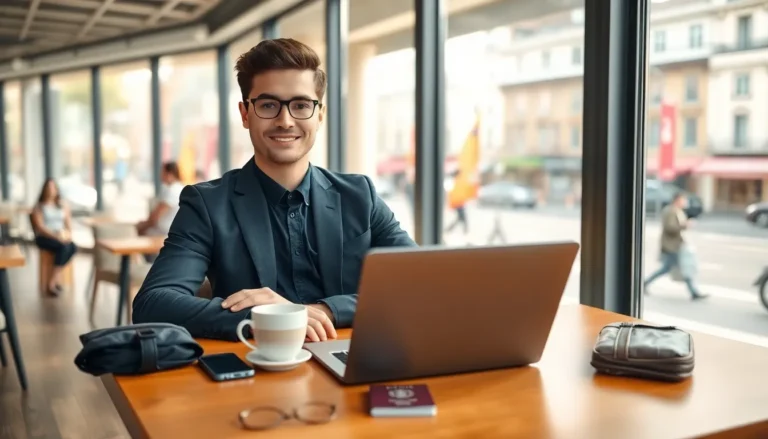

Digital nomad life techniques help remote workers thrive while traveling the world. More professionals are leaving traditional offices behind to work from cafes in Lisbon, co-working spaces in Bali, and apartments in Mexico City. This lifestyle offers freedom, but it also requires careful planning.
The number of digital nomads continues to grow each year. According to recent estimates, over 35 million people worldwide identify as digital nomads. They’ve discovered that location independence is possible with the right strategies. But, success depends on mastering specific skills, from building productive routines to managing money across multiple currencies.
This guide covers proven digital nomad life techniques that help remote workers stay productive, financially stable, and mentally healthy while living on the move.
Table of Contents
ToggleKey Takeaways
- Successful digital nomad life techniques start with establishing consistent working hours and building a portable workspace to maintain productivity anywhere.
- Use travel-friendly banking tools like Wise or Revolut to avoid high international fees and protect against currency fluctuations.
- Always research internet quality before booking accommodation and carry backup connectivity options like local SIM cards or mobile hotspots.
- Track expenses by location to understand your true cost of living, which can vary dramatically between destinations.
- Set clear boundaries between work and personal time to prevent burnout and protect your mental health while living on the move.
- Build community through co-working spaces, meetups, and slower travel to combat the loneliness that often affects location-independent workers.
Creating a Productive Remote Work Routine
A solid routine forms the foundation of successful digital nomad life techniques. Without one, work bleeds into personal time, deadlines slip, and productivity drops.
Set Consistent Working Hours
Digital nomads should establish fixed working hours, even when time zones shift. This creates structure and helps maintain client relationships. Many successful remote workers block out their most productive hours, typically morning, for deep work tasks.
The key is consistency. A nomad in Thailand might work 7 AM to 3 PM local time. When they move to Portugal, they adjust those hours to match their energy patterns rather than chasing their old time zone.
Build a Portable Workspace
Productive digital nomads invest in quality equipment. Essential items include:
- Noise-canceling headphones
- A lightweight laptop stand
- A portable keyboard and mouse
- A reliable mobile hotspot
These tools create a familiar workspace anywhere. The brain learns to associate these items with focused work, making it easier to concentrate in new environments.
Use Time-Blocking Methods
Digital nomad life techniques often include time-blocking. This method divides the day into specific chunks for different tasks. Two hours for client work. One hour for emails. Ninety minutes for project development.
Time-blocking prevents the scattered attention that plagues many remote workers. It also creates clear boundaries between work and exploration time, a crucial balance for nomads.
Managing Finances and Budgeting Across Borders
Money management ranks among the most important digital nomad life techniques. Currency fluctuations, international fees, and varying costs of living create unique challenges.
Choose the Right Banking Tools
Traditional banks charge high fees for international transactions. Smart digital nomads use online banks designed for travelers. Services like Wise, Revolut, and Charles Schwab offer low or zero foreign transaction fees. They also provide favorable exchange rates.
Many nomads maintain accounts in multiple currencies. This strategy protects against exchange rate swings and reduces conversion costs.
Track Expenses by Location
Budgeting works differently when costs change every few months. A digital nomad might spend $1,500 monthly in Vietnam but $3,000 in Amsterdam. Successful remote workers track their expenses by location to understand their true cost of living.
Spreadsheets work fine for this purpose. Apps like Expensify or YNAB offer more detailed tracking. The goal is understanding spending patterns across different destinations.
Plan for Taxes
Tax obligations don’t disappear when someone becomes location-independent. Digital nomad life techniques must include tax planning. Many countries tax worldwide income regardless of residence. Others offer special visa programs with tax benefits.
Consulting with an international tax professional saves money and prevents legal problems. The investment typically pays for itself through optimized tax strategies.
Staying Connected While Constantly Moving
Reliable internet access makes or breaks the digital nomad lifestyle. Poor connectivity means missed deadlines, dropped client calls, and lost income.
Research Internet Quality Before Arriving
Experienced digital nomads research internet speeds before booking accommodation. Websites like Nomad List provide average connection speeds for popular destinations. Co-working space reviews often mention Wi-Fi reliability.
Asking hosts about their internet setup prevents unpleasant surprises. Specific questions help: What is the download speed? Is the connection stable during peak hours? Is there a backup option?
Always Have a Backup Plan
Smart digital nomad life techniques include redundancy. A local SIM card with data provides backup when Wi-Fi fails. Mobile hotspots offer another layer of protection. Some nomads carry portable routers that can bond multiple connections.
Co-working spaces serve as reliable fallback options. Most major cities have several choices, and monthly memberships often cost less than daily rates.
Maintain Professional Relationships Remotely
Digital nomads must work harder to stay visible to clients and colleagues. Regular video calls build stronger relationships than text-only communication. Scheduled check-ins demonstrate reliability even though the distance.
Time zone differences require flexibility. Many nomads block early morning or late evening hours for calls with clients in different regions. This accommodation shows professionalism and keeps projects running smoothly.
Maintaining Work-Life Balance on the Road
Burnout threatens many digital nomads. The excitement of new places can mask exhaustion until it becomes serious. Sustainable digital nomad life techniques include deliberate rest and social connection.
Set Clear Boundaries
The laptop should close at the end of the workday. Answering emails during dinner or checking messages at midnight erodes the separation between work and life. Digital nomads need firm boundaries to enjoy their lifestyle.
Physical cues help enforce these limits. Leaving the co-working space signals the end of work. Changing clothes marks the transition to personal time. These small rituals protect mental health.
Prioritize Physical Health
Sitting in cafes and airports takes a toll on the body. Successful digital nomads build movement into their routines. Morning runs, yoga classes, or gym sessions provide structure and combat the sedentary nature of remote work.
Sleep quality matters too. Changing beds frequently disrupts rest. Many nomads travel with familiar pillows or sleep aids to improve consistency.
Build Community Wherever Possible
Loneliness is a real risk for location-independent workers. Digital nomad life techniques should include social strategies. Co-working spaces offer built-in community. Meetup groups connect nomads in most major cities. Online communities provide support between destinations.
Some nomads travel slowly, spending one to three months in each location. This pace allows deeper connections with both places and people. Fast travel looks exciting but often leads to superficial experiences and isolation.