
Men’s wellness tools have become essential resources for improving physical health, mental clarity, and overall quality of life. From fitness trackers to meditation apps, these tools help men take control of their health in practical, measurable ways.
The wellness industry offers hundreds of products and apps designed specifically for men. Some focus on building muscle. Others track sleep patterns or manage stress. The challenge isn’t finding options, it’s choosing the right ones.
This guide breaks down the most effective men’s wellness tools across five key categories. Each section covers what works, why it matters, and how to get started.
Table of Contents
ToggleKey Takeaways
- Men’s wellness tools span five key categories: fitness equipment, mental health apps, nutrition trackers, sleep aids, and recovery devices.
- Wearable fitness trackers from brands like Garmin, Fitbit, and Apple provide real-time data that drives better health decisions and accountability.
- Meditation apps such as Headspace and Calm can reduce cortisol levels and lower blood pressure with just 10 minutes of daily practice.
- Nutrition tracking apps like MyFitnessPal and Cronometer make it easier to monitor calories, macros, and micronutrients for optimal energy and body composition.
- Sleep tracking tools like Oura Ring and Whoop help identify patterns that affect testosterone levels, immune function, and cognitive performance.
- Start with one clear goal and one tool—success compounds when you master basics before adding more men’s wellness tools to your routine.
Fitness and Exercise Equipment
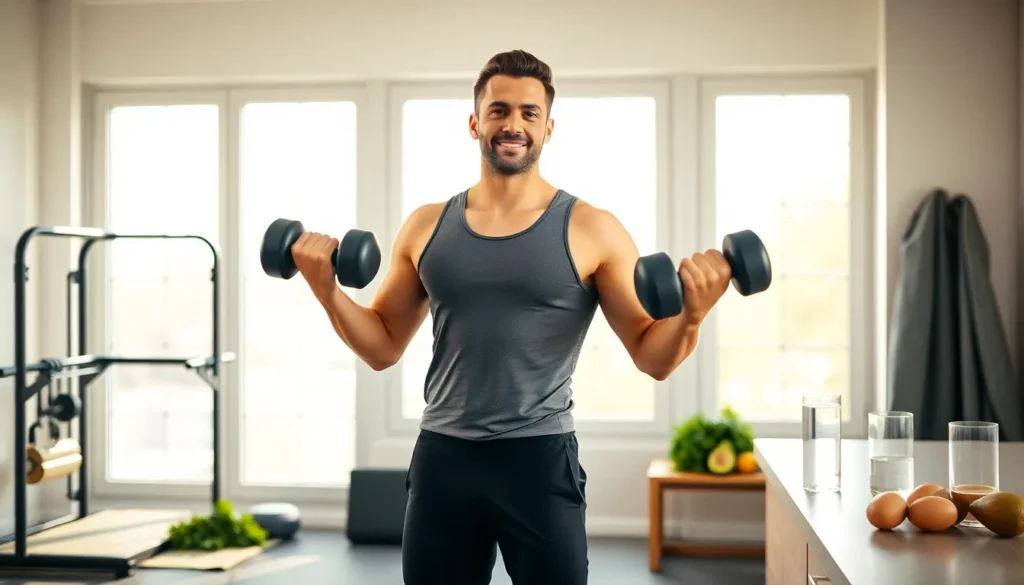
Fitness equipment forms the foundation of most men’s wellness routines. The right tools can transform home workouts and gym sessions into more effective training.
Home Gym Essentials
Adjustable dumbbells save space and money. A single set replaces an entire rack of weights. Brands like Bowflex and PowerBlock offer options ranging from 5 to 90 pounds per dumbbell.
Resistance bands provide versatile training at any fitness level. They’re portable, affordable, and effective for strength building and rehabilitation. A quality set costs under $30 and lasts for years.
Pull-up bars fit most doorframes and enable dozens of exercises. They target the back, arms, and core without requiring a gym membership.
Wearable Fitness Technology
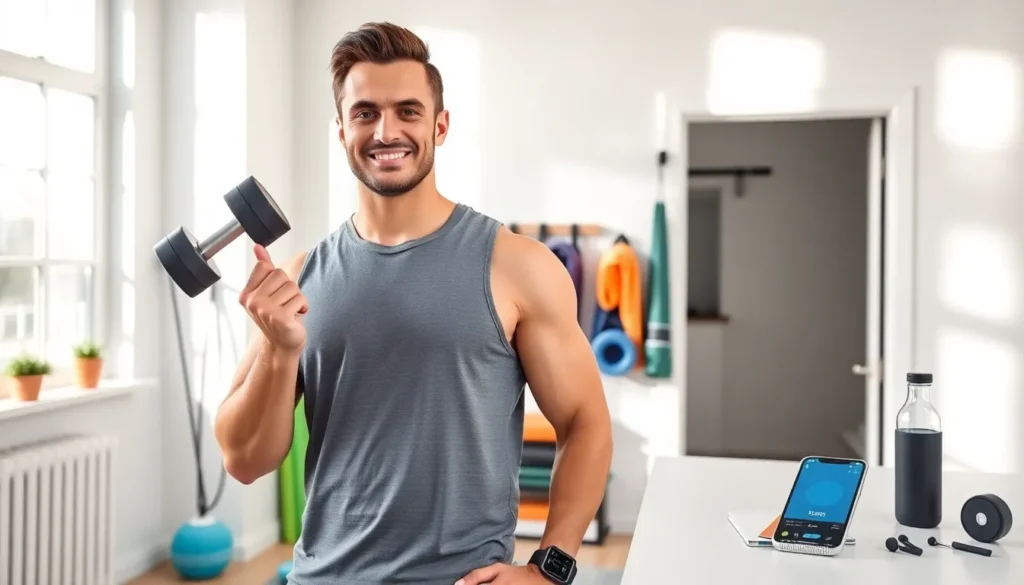
Fitness trackers have changed how men approach exercise. Devices from Garmin, Fitbit, and Apple measure heart rate, steps, calories burned, and workout intensity in real time.
These men’s wellness tools provide data that drives better decisions. A man who sees his heart rate during cardio can adjust intensity for optimal fat burning. Someone tracking daily steps walks more because the numbers create accountability.
Smartwatch features now include VO2 max estimates, recovery scores, and training load metrics. Athletes and casual exercisers alike benefit from this feedback.
Strength Training Accessories
Weightlifting belts protect the lower back during heavy lifts. Leather belts offer maximum support for deadlifts and squats.
Gymnastic rings challenge stability and build functional strength. They cost around $40 and hang from any sturdy overhead point.
Foam rollers aid recovery between workouts. Rolling out tight muscles reduces soreness and improves mobility.
Mental Health and Stress Management Tools
Mental health tools deserve equal attention in any wellness strategy. Stress affects physical health, sleep quality, and relationships. Men’s wellness tools for the mind address these concerns directly.
Meditation and Mindfulness Apps
Headspace and Calm lead the meditation app market. Both offer guided sessions ranging from 3 to 30 minutes. Beginners can start with basic breathing exercises. Advanced users access specialized programs for focus, anxiety, and sleep.
Insight Timer provides free meditation content from thousands of teachers. The app includes timers, ambient sounds, and community features.
Consistent meditation practice reduces cortisol levels, lowers blood pressure, and improves emotional regulation. Even 10 minutes daily produces measurable benefits within weeks.
Journaling and Self-Reflection
Digital journals like Day One and Notion help men track thoughts, goals, and progress. Writing clarifies thinking and processes emotions that might otherwise build up.
Gratitude journaling specifically improves mood and outlook. The practice takes five minutes and involves listing three things worth appreciating each day.
Stress-Relief Devices
Breathing trainers like Komuso and Shift guide users through calming breath patterns. These small devices fit on a keychain and work anywhere.
Percussion massagers release muscle tension caused by stress. The physical relief often triggers mental relaxation as well.
Biofeedback devices measure heart rate variability and guide users toward calmer states. Apps like Elite HRV turn smartphone cameras into basic biofeedback tools.
Nutrition and Diet Tracking Resources
Nutrition determines much of a man’s energy, body composition, and long-term health. Men’s wellness tools for diet make tracking and planning much easier.
Calorie and Macro Tracking Apps
MyFitnessPal remains the most popular food tracking app. Its database includes millions of foods with detailed nutritional information. Users scan barcodes, search by name, or create custom entries.
Cronometer appeals to users who want micronutrient data. The app tracks vitamins, minerals, and other nutrients beyond basic calories and macros.
Carbon Diet Coach uses AI to adjust calorie targets based on weekly weigh-ins. The app learns how each user’s body responds and adapts recommendations automatically.
Meal Planning Tools
Eat This Much generates meal plans based on calorie goals and food preferences. Users set parameters, and the app creates shopping lists and recipes.
Prepear helps families coordinate meal planning. It imports recipes from any website and organizes weekly menus.
Smart Kitchen Devices
Food scales ensure accurate portion sizes. Digital scales cost under $20 and measure in grams or ounces.
Smart water bottles track hydration throughout the day. Brands like HidrateSpark sync with fitness apps and remind users to drink.
Blenders and meal prep containers support batch cooking. Preparing multiple meals at once saves time and reduces the temptation to order takeout.
Sleep and Recovery Aids
Sleep affects every aspect of health. Men who sleep poorly experience lower testosterone, weaker immune function, and impaired cognitive performance. Men’s wellness tools for sleep and recovery address this critical area.
Sleep Tracking Technology
Oura Ring tracks sleep stages, heart rate variability, and body temperature throughout the night. The data helps users identify patterns and optimize bedtime routines.
Whoop bands focus on recovery metrics. Athletes use Whoop to determine how hard they can train based on previous night’s sleep quality.
Sleep tracking apps like Sleep Cycle use smartphone sensors to monitor movement and sound during sleep. They wake users during light sleep phases for easier mornings.
Sleep Environment Tools
White noise machines mask disruptive sounds. The Lectrofan and Hatch devices offer multiple sound options including fan noise, rain, and ocean waves.
Blackout curtains block light pollution that interferes with melatonin production. Complete darkness improves both sleep onset and sleep quality.
Cooling mattress pads regulate body temperature during sleep. Brands like Eight Sleep and ChiliSleep use water circulation to maintain optimal sleeping temperatures.
Recovery Equipment
Massage guns speed muscle recovery after intense workouts. Theragun and Hypervolt lead this category with powerful percussion therapy.
Compression boots improve circulation and reduce soreness. Professional athletes use them, but consumer models from Normatec have become more affordable.
Red light therapy panels may support cellular recovery and reduce inflammation. Research continues, but early studies show promise for muscle recovery and skin health.
How to Choose the Right Wellness Tools for Your Goals
Selecting men’s wellness tools requires clarity about personal goals. A man focused on weight loss needs different resources than someone building muscle or managing stress.
Define Your Primary Objective
Start with one clear goal. Weight loss, muscle gain, better sleep, or reduced anxiety, pick one focus area first. Success in one area often improves others naturally.
Write down the specific outcome you want. “Lose 20 pounds” works better than “get healthier.” “Sleep 7 hours nightly” beats “sleep better.”
Match Tools to Your Lifestyle
Consider time availability, budget, and preferences. A busy professional might prefer app-based men’s wellness tools over gym equipment. Someone who travels frequently needs portable options.
Start simple. One app, one piece of equipment, or one new habit produces more results than buying everything at once. Add tools as previous ones become routine.
Evaluate Quality and Reviews
Read user reviews before purchasing any wellness product. Look for reviews from people with similar goals and experience levels.
Free trials let users test apps before committing. Most meditation and nutrition apps offer 7 to 14 day trials.
Track Your Progress
Men’s wellness tools work best when paired with consistent tracking. Weekly check-ins reveal what’s working and what needs adjustment.
Photos, measurements, and journal entries document progress beyond numbers on a scale. Some changes take weeks to appear in data but show up earlier in photos or energy levels.